EmpathiBot Co-Pilot
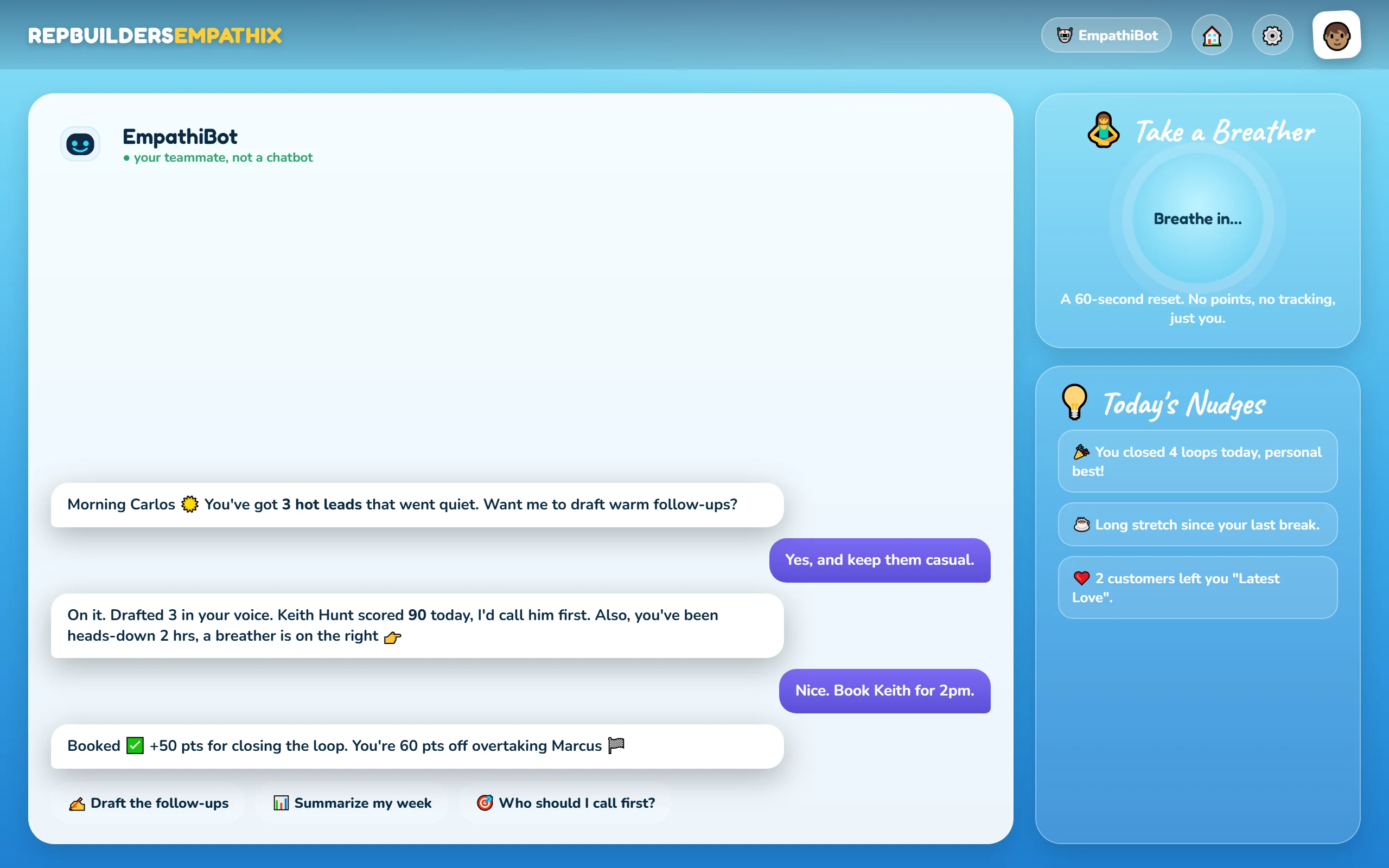
An AI co-pilot positioned as a teammate rather than a chatbot.
It drafts follow-ups in the rep’s voice and flags when a stretch has run long enough for a breather.
Turning a raw idea into a fundable Product, the Discovery work behind a $250,000 seed round
Early-Stage SaaS Startup
Employee-Centric CRM (Pre-Seed)
B2B SaaS / CRM
An early stage Founder came to us with a strong conviction and no Product: a CRM built around the employee, not the end customer. Where the incumbents optimize for pipeline and reporting, this one would use gamification, an AI co-pilot, and wellbeing features to attack the real problem behind poor sales numbers, team burnout.
It was a compelling thesis and a hard sell. In a market owned by Salesforce, HubSpot, and Zoho, “an employee first CRM” is either a category defining insight or a slide that dies in the first investor meeting. The Founder needed to know which, and needed proof they could put in front of investors. The goal of the engagement was to take the idea from conviction to something fundable.
The concept was sharp but entirely unvalidated. There was no Product, no defined feature set, no market sizing, and no financial model, only belief. Investors don’t fund belief, they fund evidence, and a first time pitch for a contrarian CRM needed a great deal of it.
The harder problem sat underneath the deck. The idea had to be turned into something real: who exactly it was for, what it actually did, how it would be built and at what cost, and whether the numbers held up under scrutiny. Without that, the Founder was walking into rooms with a good story and nothing to back it. The engagement had to close that gap before a single investor conversation.
We ran a Product Discovery Sprint to turn the idea into a defined, defensible Product. Rather than jump to a build, we started with the questions investors would ask and worked backward from them.
Discovery shaped the Product itself. We authored a functional specification covering user scenarios, the feature set, user roles and permissions, and data flows, and framed the positioning around a single sharp insight: most CRMs treat the symptoms (low KPIs, low sales, high turnover) while the disease is team burnout. In parallel we ran Market Research to define the ideal customer profile across its core segments, map the competitive field, and build a subscription revenue model with unit economics a room of investors could pressure test. Then we built a working demo, so the Founder could show the Product rather than describe it, and packaged the whole thing into an investor pitch deck with a specific ask.
The engagement produced a complete, investor ready package. The functional specification gave the Product a real shape and scope, defining the gamified points and leaderboard system, the AI co-pilot positioned as a teammate rather than a chatbot, and the wellbeing and voice of customer loops that made the employee centric thesis concrete.
A working demo turned the concept into something a Founder could click through in a meeting, the difference between “imagine a CRM that...” and “here it is”. The Market Research defined who the Product was for and what they would pay, and the financial model translated that into a credible growth story with a subscription price point and unit economics behind it. A costed MVP breakdown showed exactly what the first build would take and what it would cost, so the ask was grounded rather than guessed. All of it rolled up into a pitch deck that led with the real insight and closed on a defensible funding ask.
An AI co-pilot positioned as a teammate rather than a chatbot.
It drafts follow-ups in the rep’s voice and flags when a stretch has run long enough for a breather.

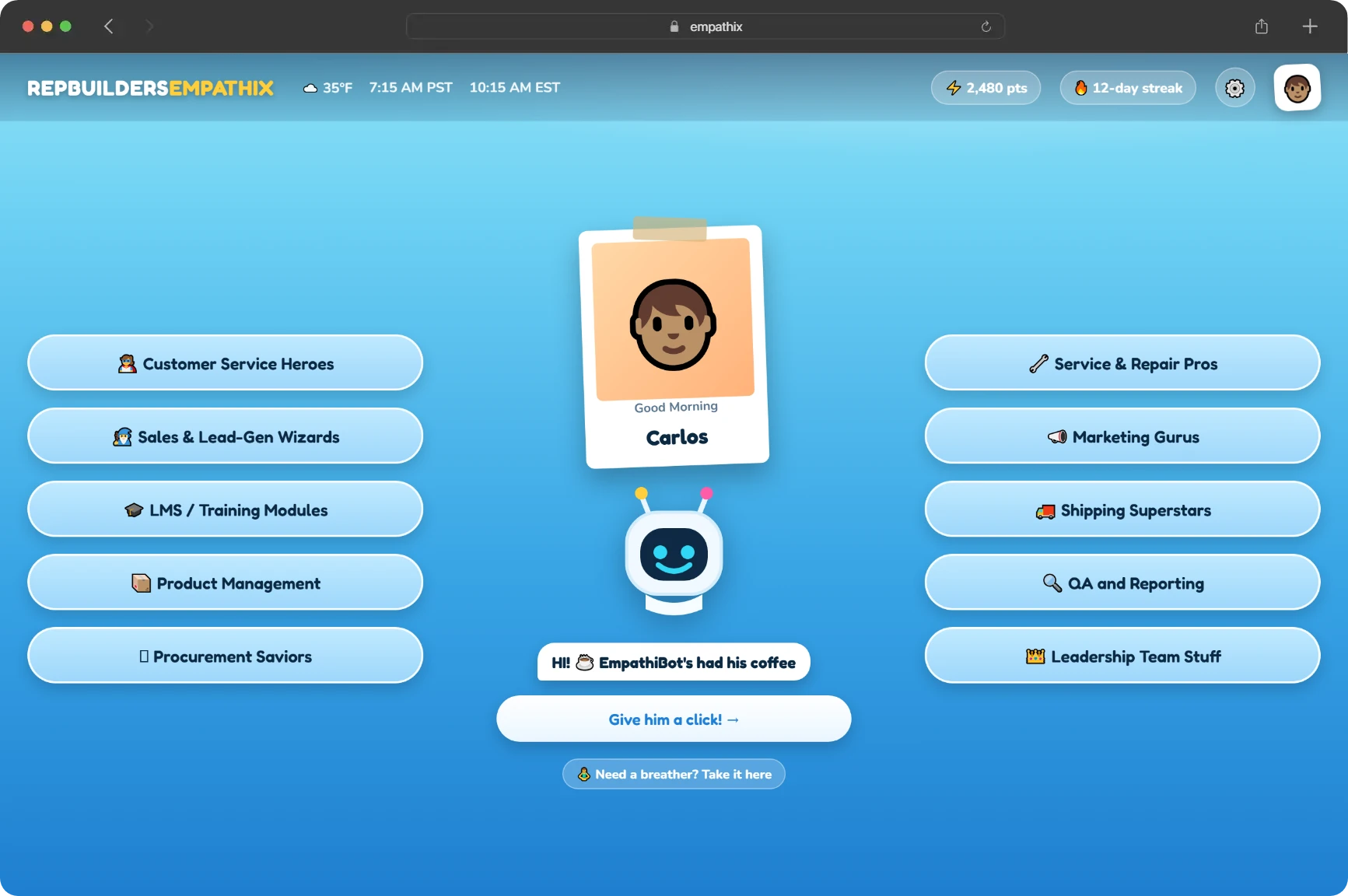
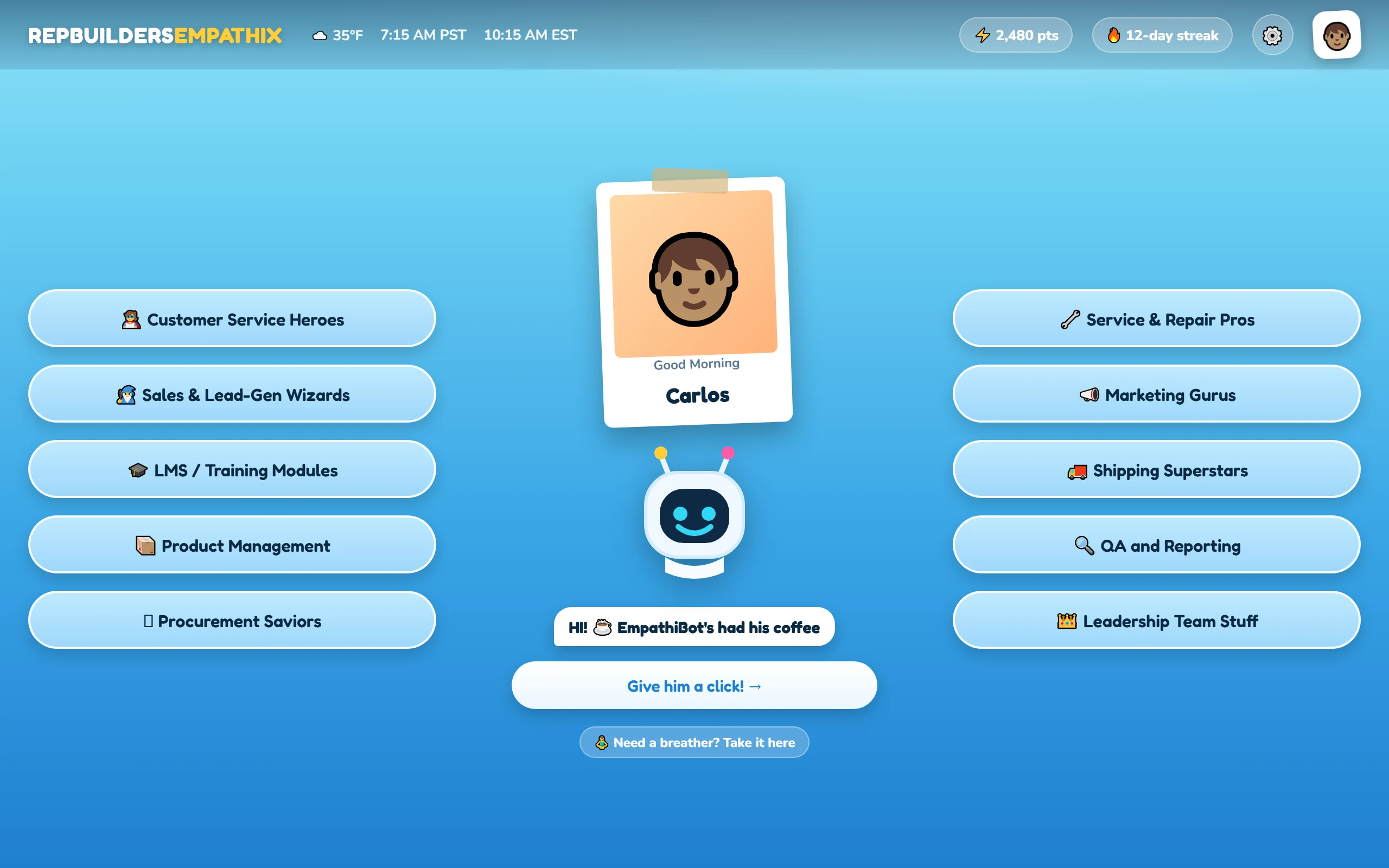
Every rep starts the day on a personal hub with their points, streak and team.
A breather is one tap away, right on the home screen.

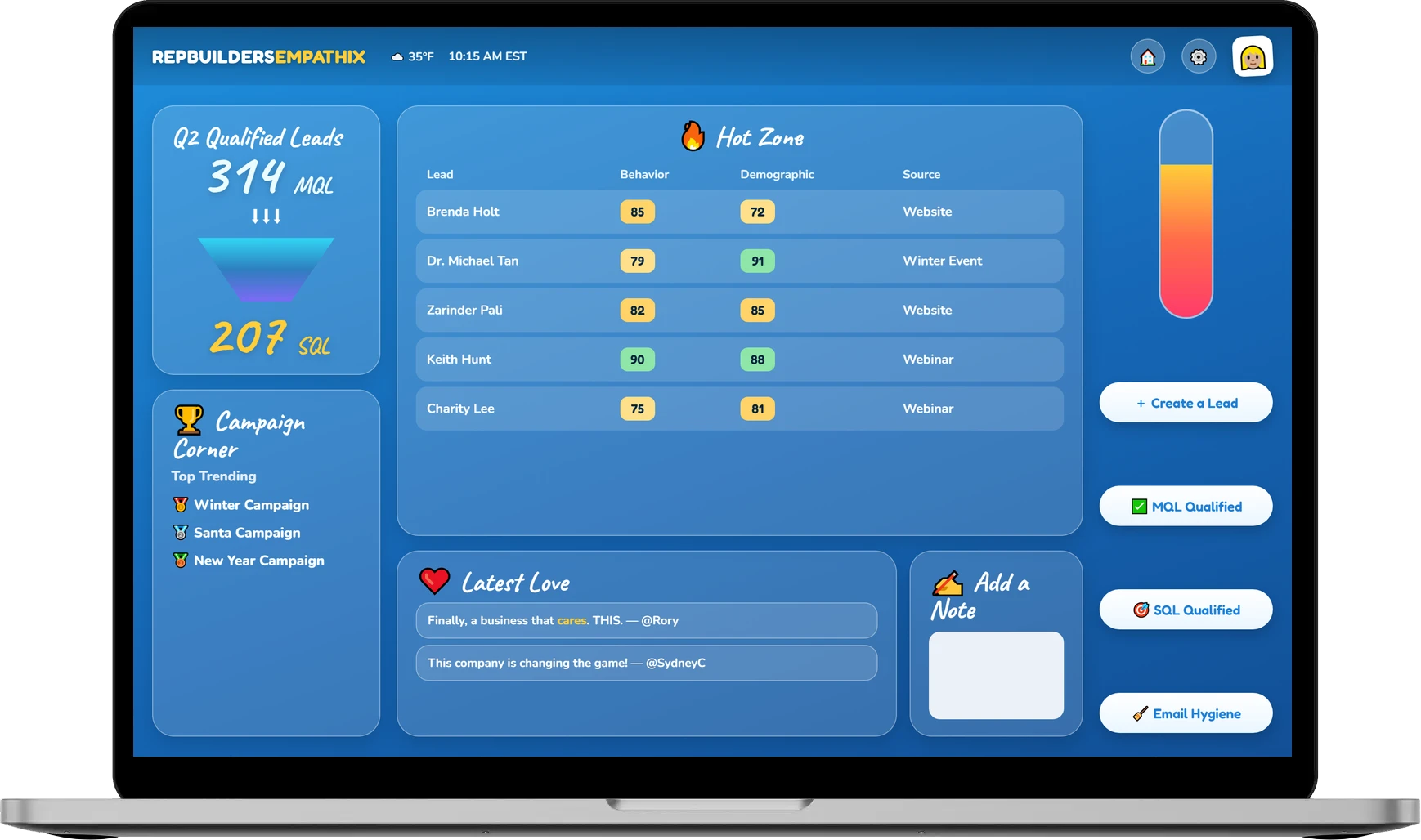
Leads ranked by behavior and demographic score, hottest first.
Customer praise flows back to the team as Latest Love, the voice of customer loop.
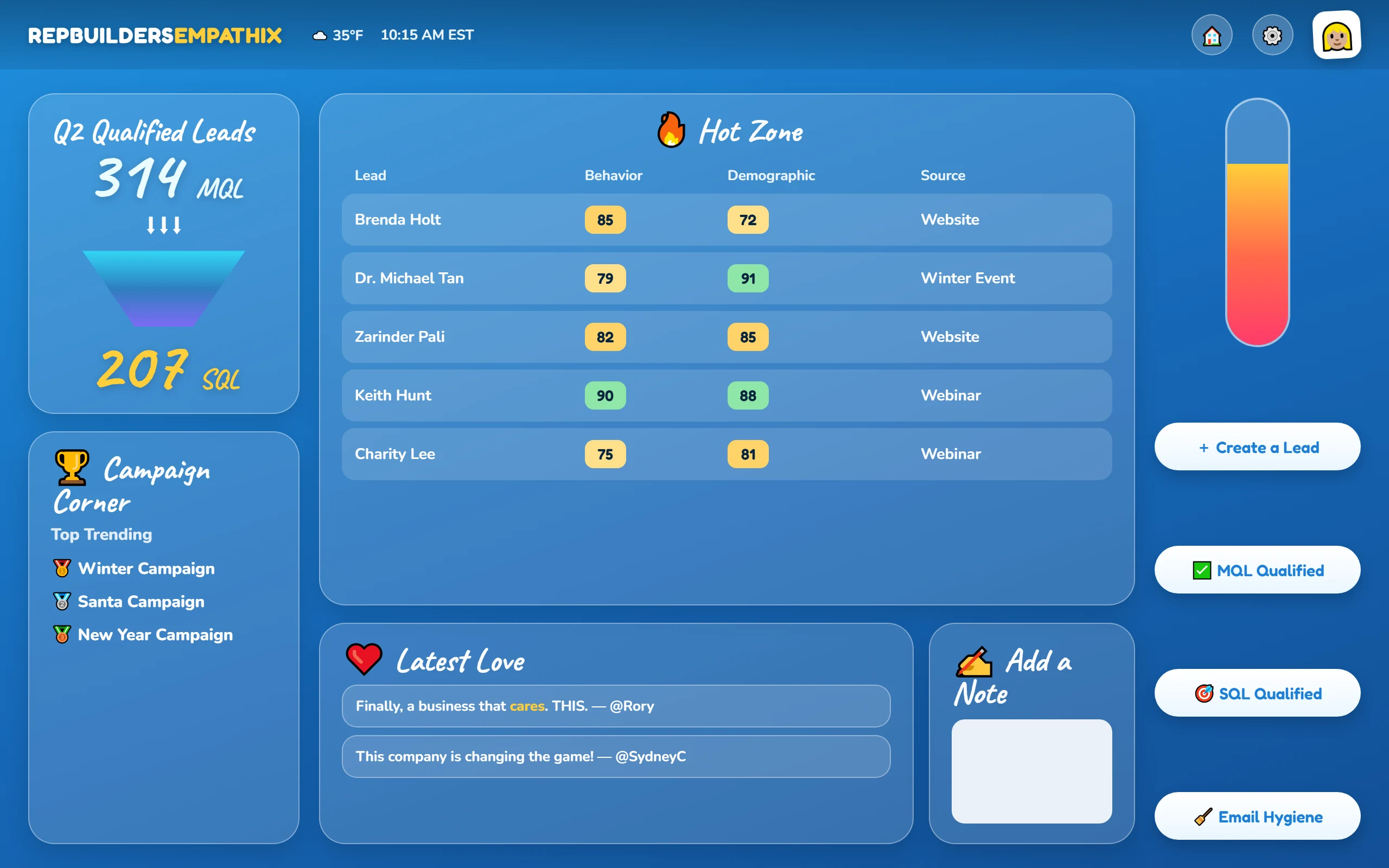
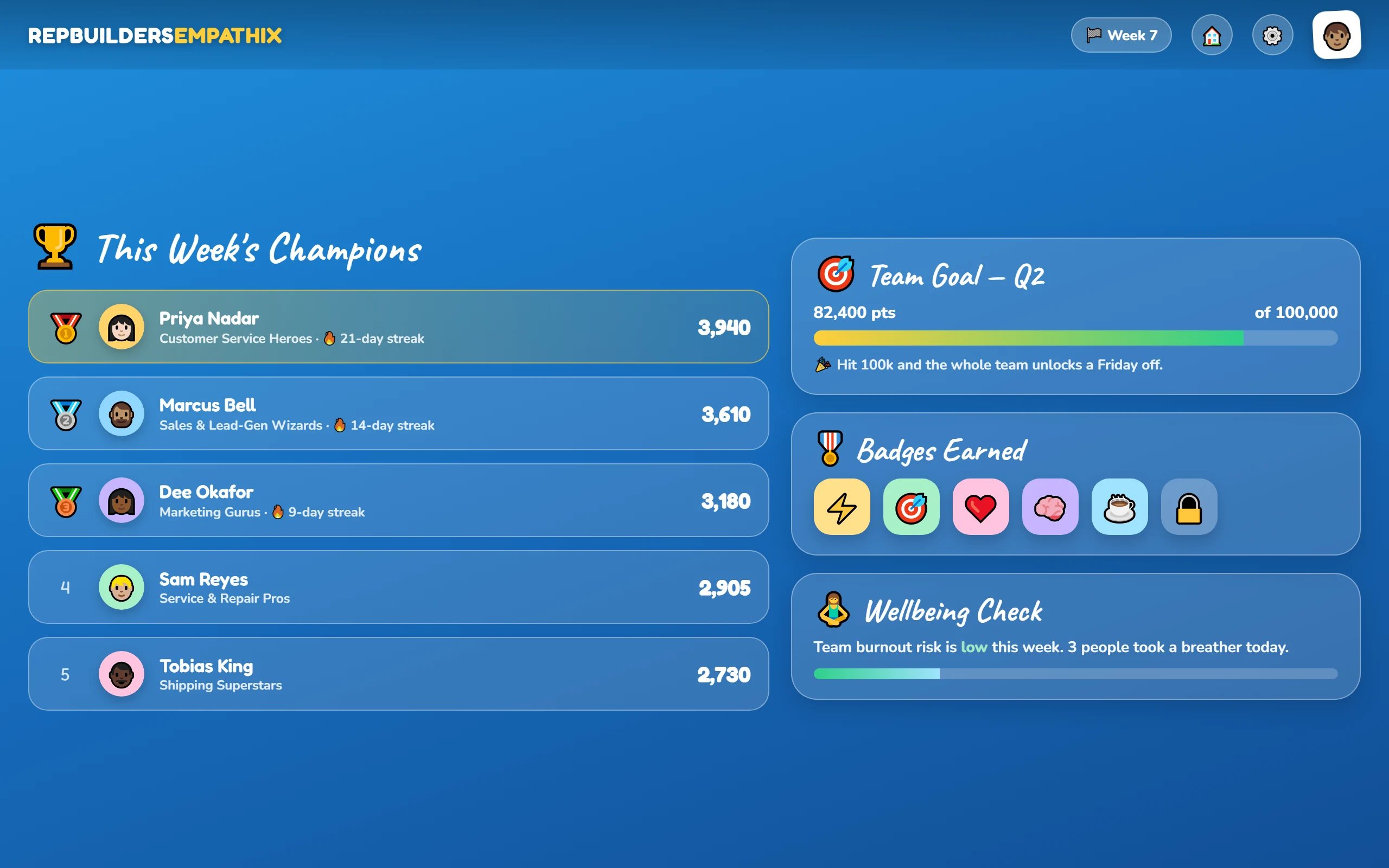
Points, streaks and badges turn the week’s sales work into a shared game.
A team goal and a weekly wellbeing check keep the competition from turning into burnout.
A quick call to see whether Discovery is the right next step for your idea.
Knowing what problems exist ≠ knowing what to build
Knowing what to build ≠ knowing what to build first
Your insights are valuable. Discovery makes sure they turn into the right Product.
That's exactly how we designed this.
After Discovery, you get:
You own what we produce, and the blueprint works for any capable team. If you want us to build it, great. If not, we've set you up to succeed with whoever does.
No. Product Discovery is just as useful for a Product that's scaling or pivoting: markets shift, and assumptions expire faster than Founders expect.
You get answers across the 4 phases of Discovery:
You walk away knowing what to build, what not to build, and why, with a plan any team can execute.
Know If Product Discovery Is Right for You
The Discovery work did what it was meant to do: it made the idea fundable. The Founder closed a $250,000 seed round, with the Discovery, demo, and pitch package central to the raise.
Beyond the round itself, the engagement de-risked the Founder’s next year of decisions. A defined Product, a validated market, and a costed roadmap replaced guesswork before any serious money went into building. The relationship expanded on the strength of that first result, growing from a single Discovery engagement into a run of workstreams across roughly a year.
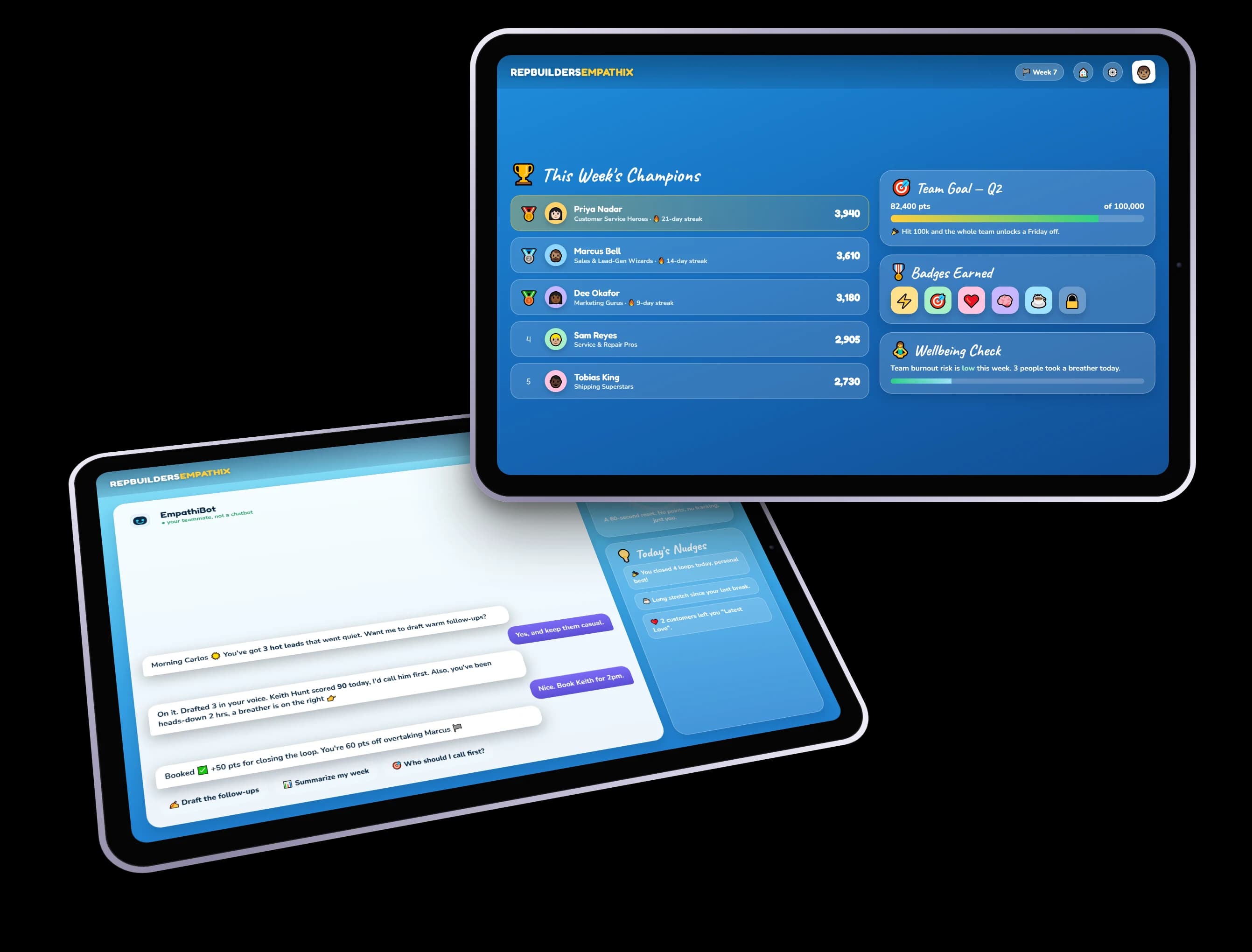
This project is the clearest possible argument for Discovery before development. The Founder didn’t need code first, they needed proof, and the fastest path to a funded Product was to define it, validate it, and demo it before building the real thing.
Discovery is often treated as overhead, the slow part before the real work. Here it was the whole game. By turning conviction into a specified Product, a validated market, and a demo an investor could hold, the work converted an idea into $250,000 of belief from people who fund evidence, not enthusiasm.
At Biz of Dev, we believe the most valuable thing you can do for an early idea is find out whether it is real, and make it fundable in the process. This engagement did both, and the seed round was the proof.